












Two Commissioners Out Already… Will the New One Last?
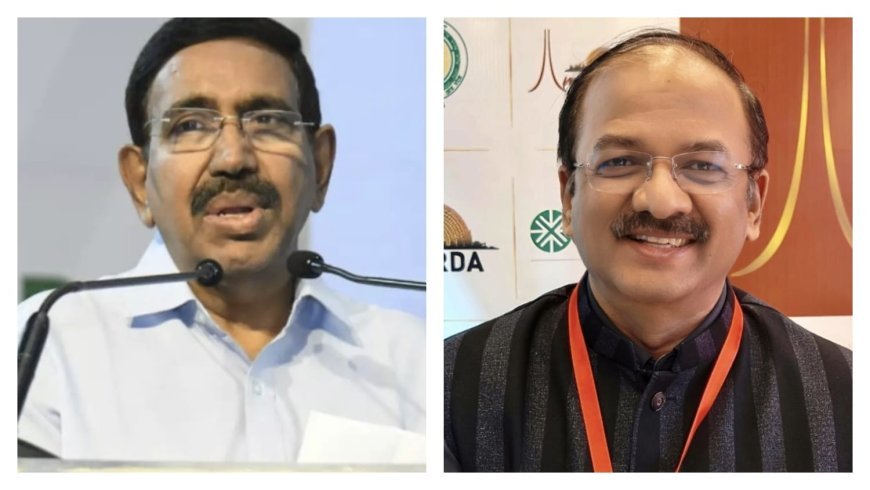
Frequent changes in leadership within the Andhra Pradesh Capital Region Development Authority (CRDA) have raised concerns over the pace and stability of capital development works in Amaravati. In less than 20 months, two commissioners have been replaced, pointing to an apparent lack of coordination between officials and Municipal Administration Minister P. Narayana.
Known for his low-profile yet decisive functioning, Narayana has been playing a key role in driving the Amaravati capital project under the leadership of Chief Minister N. Chandrababu Naidu. Apart from handling his responsibilities as Municipal Administration Minister, he has been dedicating significant time to overseeing capital works, closely monitoring project progress, contractor selection, and execution timelines.
The development of Amaravati remains one of the most critical priorities for the state government. With an aim to fast-track construction, the government entrusted Narayana with additional responsibilities related to the capital. Since then, he has been actively pushing for quicker execution and maintaining strict oversight on all aspects of the project.
However, beneath this push for speed, internal differences within the Andhra Pradesh Capital Region Development Authority have come to light. Sources indicate that coordination between the minister and successive commissioners has been a persistent issue. The fact that two commissioners have been replaced within a short period adds weight to this perception.
Senior IAS officer Katamaneni Bhaskar was appointed as CRDA Commissioner in October 2024, with high expectations from the government. However, he was removed from the post within just six months. Differences reportedly arose between him and the minister over handling farmers’ concerns and objections related to proposals to restructure the CRDA.
His successor, Kannababu, faced a similar situation. Although he initially took charge with expectations of administrative autonomy, he reportedly grew dissatisfied over a perceived reduction in his powers. The redistribution of responsibilities among different departments allegedly limited his role, leading to friction and eventually his transfer.
These developments highlight an ongoing disconnect between political leadership and the administrative machinery. Experts point out that coordination between the two is crucial for the successful execution of large-scale infrastructure projects like Amaravati. In its absence, frequent changes in key positions could hamper progress.
Amid this backdrop, senior IAS officer Vijayaramaraju has now been appointed as the new CRDA Commissioner. While there are hopes that his appointment will bring stability, analysts caution that repeated leadership changes could slow down project execution, as new officials often require time to fully understand ongoing work before making impactful decisions.
Despite these challenges, Minister Narayana appears determined to stick to his approach. He continues to push for faster completion of projects, emphasizing transparency in contractor selection, adherence to quality standards, and strict timelines. Government sources suggest that he is unwilling to compromise on these aspects, even if it leads to friction within the system.
Another key issue influencing the situation is the unresolved concerns of farmers in the Amaravati region. Many landowners who contributed land for the capital project are still awaiting complete resolution of their grievances. Differences in approach between commissioners and the minister on addressing these concerns have also contributed to the tensions.
Overall, while Narayana’s assertive leadership is evident in the accelerated push for Amaravati’s development, the lack of administrative stability remains a concern. Balancing speed with coordination will be crucial to ensure that the ambitious capital project does not face delays.
As the situation evolves, how effectively the government manages internal differences and ensures smoother coordination will play a decisive role in shaping the future of Amaravati.