



























Are Temple Assets Safe? A Growing Concern in Andhra Pradesh
Are Temple Assets Safe?

Temples have always been symbols of faith, devotion, and spiritual peace. For most devotees, visiting a temple is a simple and sacred act — offering prayers, making donations, and returning home with a sense of satisfaction and hope. However, beyond this spiritual experience, there lies a complex and often overlooked reality regarding the management and safety of temple assets.
In Andhra Pradesh, temples are not just religious centers but also custodians of vast resources, including land, buildings, and other forms of wealth. Reports suggest that there are over 27,000 temples in the state, out of which nearly 4,000 are considered major temples. Collectively, these temples own approximately 4.65 lakh acres of land. However, a significant portion of this land — around 87,000 acres — is reportedly under encroachment. Additionally, nearly 50,000 acres are said to be lying unused, raising serious concerns about asset management and utilization.
Apart from land, temples under the Endowments Department reportedly include thousands of shops, buildings, and marriage halls. These assets are expected to generate substantial revenue for temple maintenance and development. Some estimates suggest that the department earns around ₹210 crore annually. However, the lack of transparent and officially verified data creates uncertainty about the accuracy of these figures and whether the revenue is being properly accounted for.
The issue becomes more concerning when questions arise about oversight and accountability. While systems and administrative bodies are in place to monitor temple assets, it remains unclear how effectively they function. There is limited public awareness about whether proper audits are conducted, whether encroachments are being addressed, or whether temple properties are being utilized in a way that benefits devotees and preserves cultural heritage.
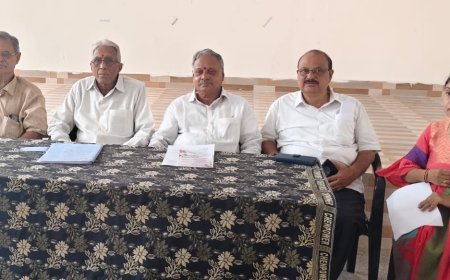
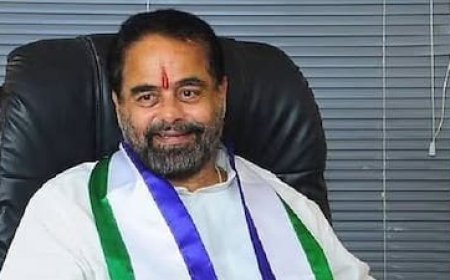
Highlighting these concerns, a leader from the Vishva Hindu Parishad in Krishna district, Dr. Buragadda Srinath, filed an application under the Right to Information (RTI) Act seeking detailed data from the government. His request includes information about temple assets, their usage, revenue generation, and the extent of government oversight. He also raised questions about the payment of salaries to temple priests by the government, as well as financial support provided to religious figures of other communities, such as pastors and imams. His demand emphasizes the need for clarity on the criteria used for allocating public funds.
Another important aspect is the trust of devotees. When people donate money or resources to temples, they believe their contributions will be used for religious and social purposes. Any mismanagement or lack of transparency can weaken this trust and create dissatisfaction among the public.
In response to these growing concerns, organizations like the Vishva Hindu Parishad are reportedly planning to initiate large-scale movements to protect temple properties across Andhra Pradesh. Their aim is to bring attention to the current state of temples and ensure better governance and accountability, irrespective of which political party is in power.
In conclusion, while temples continue to be centers of faith and devotion, the safety and management of their assets require serious attention. Transparency, proper monitoring, and responsible administration are essential to safeguard these valuable resources. Only then can temples truly serve their purpose — not just as places of worship, but also as institutions that uphold trust, culture, and community welfare.