



















EITHER CHANGE THE LAW OR REMOVE THEM

Amaravati, March 4, 2026 — A fresh political debate has emerged in Andhra Pradesh over the eligibility of elected representatives claiming Scheduled Caste (SC) reservation benefits while allegedly practicing religions other than Hinduism.
Under the Constitution (Scheduled Castes) Order, 1950, SC status is currently limited to individuals professing Hinduism, Sikhism, or Buddhism. Those who convert to Christianity or Islam are, under existing law, not eligible to claim SC reservation benefits. The legal position has been upheld in various rulings by the Supreme Court and several High Courts, reinforcing that religious conversion can affect eligibility under the current framework.
In recent weeks, some political commentators and activists have alleged that certain public representatives in Andhra Pradesh continue to claim SC status despite having converted to Christianity. Critics argue that if conversion has indeed taken place, those individuals should voluntarily relinquish the reservation benefits in accordance with constitutional provisions.
The issue has gained renewed attention following a discussion in the Andhra Pradesh Legislative Council, where questions were reportedly raised about the religious identity of certain members holding SC-reserved positions. The debate has since spilled into the public domain, with social media amplifying competing claims and counterclaims.
Political observers note that leaders across party lines have been drawn into the controversy, including members of both the Telugu Desam Party (TDP) and the YSR Congress Party (YSRCP). Some critics have alleged that individuals from multiple parties may be affected, while others argue that such accusations are politically motivated and lack substantiated evidence.
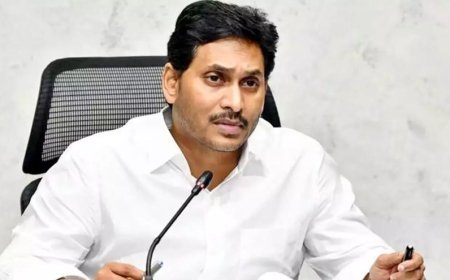
Former Chief Minister Y. S. Jagan Mohan Reddy has also been mentioned in public discourse, with opponents alleging that he has participated in both Christian and Hindu religious practices. However, supporters dismiss these claims as attempts to politicize personal faith and point out that participation in religious ceremonies does not automatically determine legal religious status.
Legal experts emphasize that proving religious conversion in a court of law is complex and requires documentary evidence and due process. “Mere allegations or participation in certain rituals cannot be treated as definitive proof of conversion,” said a senior constitutional lawyer based in Hyderabad. “Any challenge to a person’s SC status must follow established legal procedures.”
Some intellectuals and political analysts have called for clarity, suggesting that either the law should be revisited to reflect contemporary realities or authorities should strictly enforce existing provisions where violations are proven. Others warn that the debate risks deepening social and religious divisions if not handled carefully.
Civil society groups have urged restraint, emphasizing that religious freedom is a fundamental right under the Constitution. They argue that any inquiry into reservation status must balance constitutional safeguards with individual rights.
As of now, no formal disqualification proceedings have been publicly confirmed against any sitting legislator on these grounds. Whether the controversy will translate into legal action or legislative reform remains to be seen, but the issue has once again brought the intersection of religion, law, and politics into sharp focus in Andhra Pradesh.