

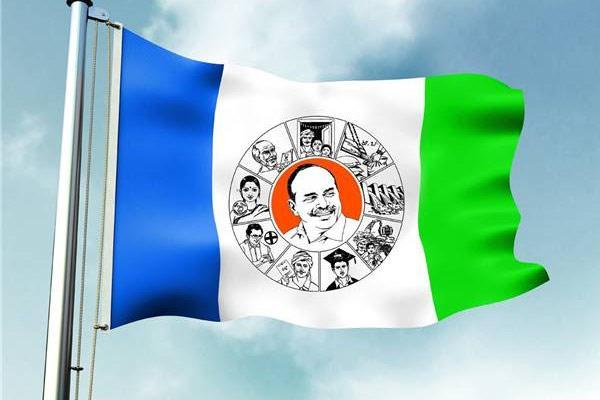
Victory in politics is not merely a reason to celebrate; it is simply one part of the political journey. Similarly, defeat does not mark the end. It is a valuable lesson that should sharpen a party’s approach. Regardless of the agenda or the nature of the political battle, every defeat cannot be blamed on opponents’ conspiracies, inducements by the ruling party or shortcomings in the system. More importantly, ignoring the fire burning within one’s own house cannot be called political analysis. It is simply an attempt to escape the realities unfolding before one’s eyes. A closer look at the YSRCP’s current political trajectory suggests that the party is facing precisely this kind of internal crisis.
The setback in the municipal elections is one concern for the party. Its inability to properly assess the underlying reasons for the defeat appears to be an even bigger strategic failure. It is reasonable to acknowledge that opponents may be stronger and that parties in power enjoy certain advantages. However, if the opposition is portrayed as the villain after every defeat, the YSRCP leadership must also ask itself a crucial question: When the party wins, who deserves the credit? Political observers say this is a question the party leadership needs to confront through honest introspection.
Issuing orders from the command centre is one thing; ensuring that those strategies are implemented effectively on the ground is quite another. Simply instructing candidates to contest elections and then washing one’s hands of the responsibility is not enough. The high command must assess the ground realities before finalising candidates. Who is the candidate? How strong is the team supporting them? What kind of local influence and public support do they enjoy? These are all crucial considerations. Sending an army to the battlefield without providing it with weapons, a strategy or support during a crisis cannot ensure victory. Otherwise, leaders such as Jagan may remain confined to conducting review meetings while party workers are left to face the challenges on their own.
In reality, the problem often begins with candidate selection. Allocating an election ticket is not merely a formality of printing a name on campaign posters. It is a high-stakes process that can determine the party’s political future. Does the candidate enjoy public support in the constituency? Do they have strong backing from party workers? Or are they merely lobbying for positions and power? Failing to distinguish between these factors can lead to disappointing electoral outcomes.
The party has no shortage of पदholders, including constituency in-charges, observers and district presidents. However, the real problem appears to be the lack of people willing to take responsibility. What should be said about leaders who remain highly active before elections but become inaccessible once the results are declared? The second-rung leadership has repeatedly failed to convert Jagan’s mass image and personal popularity among the public into a strong organisational structure.
Many leaders seem to mistake flattering reports and messages that please Jagan for genuine loyalty. Meanwhile, they have failed to communicate the harsh realities emerging from the grassroots. This failure has prevented crucial feedback from reaching the party chief. After the results were announced on November 3, several YSRCP candidates openly said that the failures of their own party leaders had contributed to their defeats.
Ultimately, political parties must understand that correcting internal weaknesses is just as important as defeating political opponents, if not more so. Parties that fail to learn from defeat may eventually fade into history, regardless of how powerful they once were. Criticising opponents is easy, but correcting one’s own mistakes requires genuine political acumen. Otherwise, time will change and candidates may change, but the electoral verdict could remain the same.