

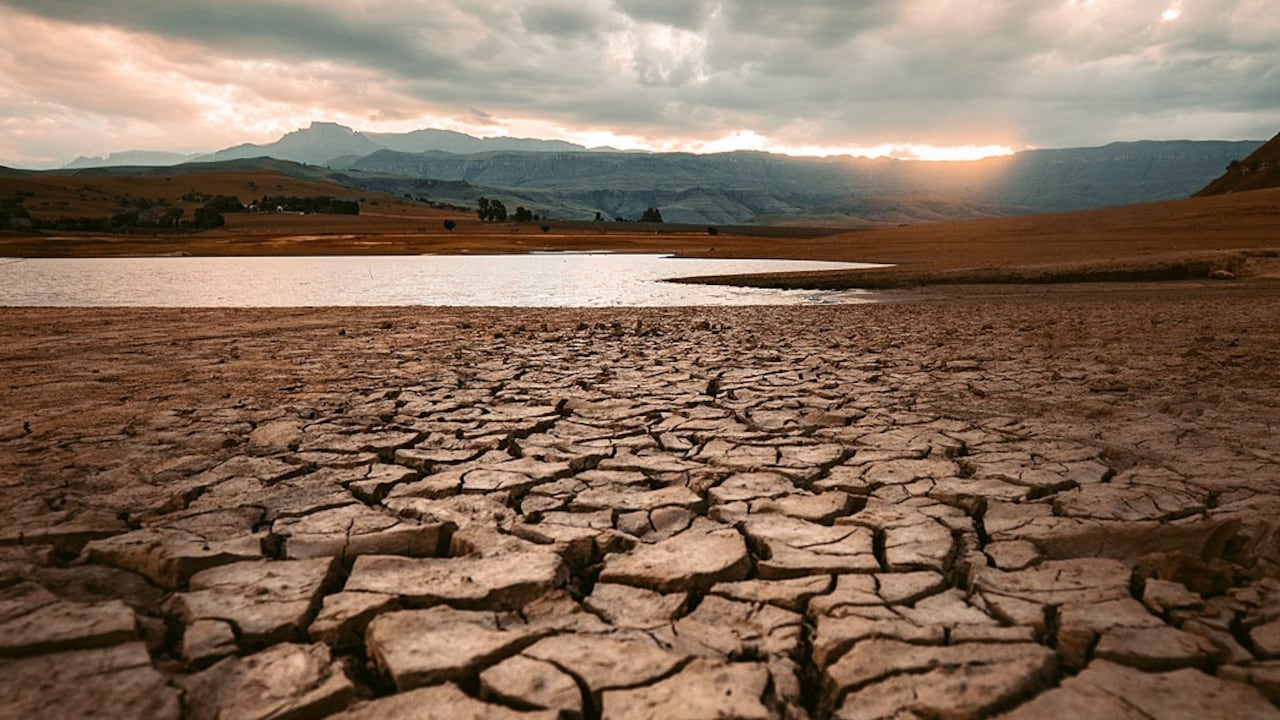
An extremely powerful Super El Niño, which has been developing in the Pacific Ocean over recent months, could intensify its impact on India and nearly 90 other countries. Experts are concerned that these changing weather patterns could trigger three major types of disasters, potentially causing unprecedented challenges.
The main concerns include severe disruption to the monsoon system during the rainy season, above-normal temperatures even during winter, and significant damage to agriculture, putting food security at risk across several parts of the world.
The effects of El Niño are already being felt in Kharif crops, according to reports. Delayed and inadequate rainfall has caused crops to dry up in several areas. December and January are usually marked by severe winter conditions, but temperatures are expected to remain higher than normal this time. This could also pose a serious threat to the upcoming Rabi crop season.
As a result, domestic production of rice, paddy and pulses could decline significantly, potentially pushing food inflation higher. Experts have also warned that changing weather conditions could increase the risk of seasonal diseases such as dengue, malaria and chikungunya.
The impact of El Niño is expected to extend beyond India. According to a report by the United Nations World Food Programme (WFP), around 274 million people across 45 countries could face severe food insecurity by the end of 2027.
Climate-related disruptions, combined with international developments, could also lead to fertiliser shortages and a sharp rise in the prices of essential commodities and food grains. Overall, the potential consequences of El Niño could pose a major challenge to economies around the world.