

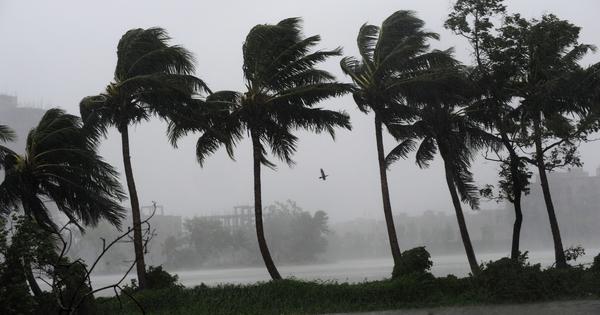
Whenever a new cyclone forms over the Bay of Bengal or the Arabian Sea, it is given a distinctive name such as Hudhud, Arnab, Tej or Gati. But who decides these names, and what rules govern the process? Cyclone naming is part of a global system coordinated by the World Meteorological Organization (WMO).
The system helps authorities communicate warnings clearly and quickly through television, radio and other channels. A specific name is easier for the public to remember than technical numbers or geographical coordinates.
Thirteen countries, including India, Bangladesh, Iran, the Maldives, Myanmar, Oman, Pakistan, Qatar, Saudi Arabia, Sri Lanka, Thailand, the United Arab Emirates and Yemen, are part of the regional naming panel. Each country contributes 13 names, creating a list of 169 names. The India Meteorological Department (IMD), based in New Delhi, assigns names in the prescribed sequence when a cyclone reaches the required wind-speed threshold of 62 kmph.
There are strict guidelines for selecting names. They must not hurt religious, political or gender-related sentiments. Names should be easy to pronounce and should not exceed eight letters. Once a name is used, it is not reused, helping avoid confusion in cyclone records.
India has also contributed 13 names that reflect nature, culture and the country’s linguistic diversity. Two of them, Gati, meaning speed, and Tej, meaning brightness, have already been used.
The remaining Indian names include Murasu (a traditional Tamil drum), Vyom (sky), Jhar (waterfall), Ambud (cloud), Jaladh (ocean), Prabaho (flow), Neer (water), Prabhanjan (destructive wind), Ghurni (whirlwind), Vega (high speed) and Aag (fire). These names will be assigned to future cyclones as per the international naming sequence.