

The issue of constituency delimitation has once again become a major topic of discussion in Indian politics. The Dravida Munnetra Kazhagam (DMK), which had strongly opposed the Centre’s earlier delimitation proposal over concerns that it could weaken the political representation of southern states, has now announced its support for the revised legislation. The decision marks a significant shift in the party’s position and has attracted considerable attention in political circles. The move comes ahead of the special Parliament session scheduled to begin on November 30.
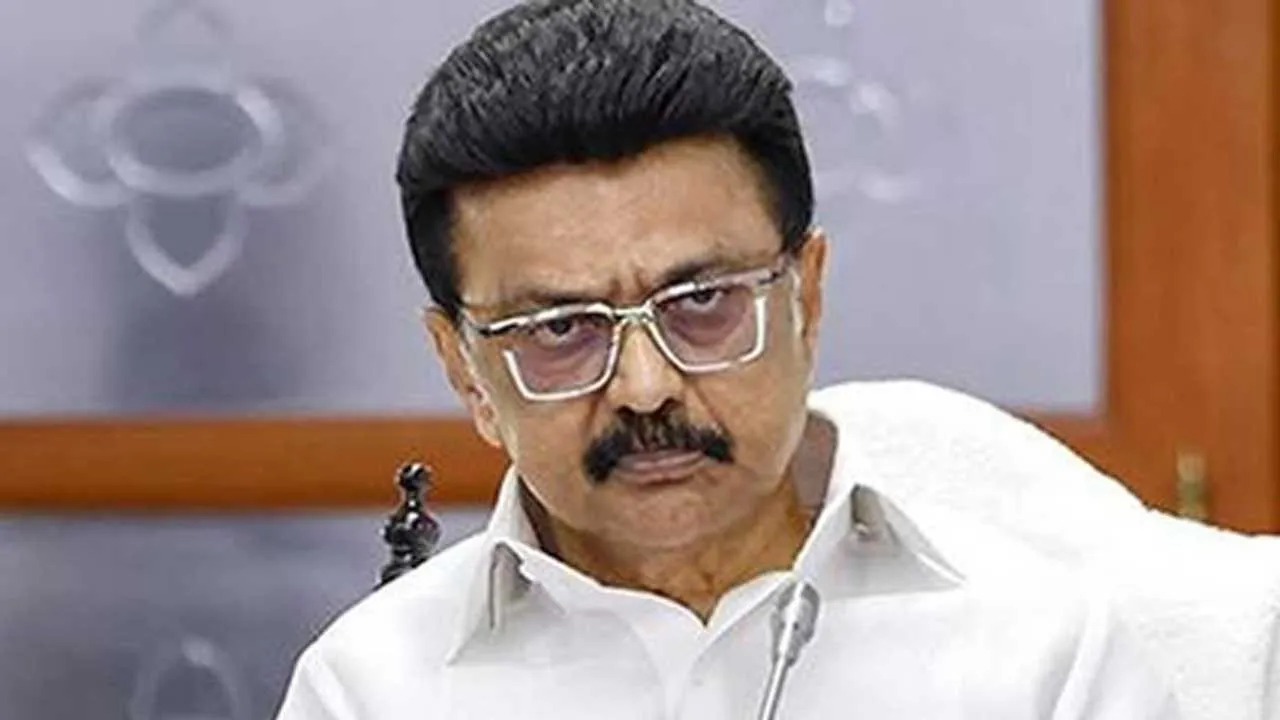
DMK MP A. Raja announced the party’s decision after a meeting of its Members of Parliament chaired by party president and Tamil Nadu Chief Minister M.K. Stalin. The party said it was prepared to support the revised proposal because it provides for a uniform 50 per cent increase in Lok Sabha seats across all states while protecting their existing proportion of parliamentary representation. The revised framework also proposes maintaining the current state-wise share of seats until 2051, effectively extending the freeze for another 25 years.
The DMK’s decision is particularly significant given its earlier opposition to delimitation. For a long time, the party had expressed serious concerns that a population-based redistribution of constituencies could disadvantage southern states. States such as Tamil Nadu and Kerala have made considerable progress in population control, and the DMK argued that they should not lose their political influence in Parliament because of their lower population growth compared with some northern states.
In 2025, the DMK took the initiative to organise a Joint Action Committee meeting involving Chief Ministers and representatives of southern states. The committee demanded that the freeze on the number of Lok Sabha seats and the existing distribution of representation be continued for another 25 years beyond 2026. The party maintained that states which had successfully implemented population-control measures should not be penalised during the delimitation exercise.
The DMK had also strongly opposed the earlier delimitation proposal in Parliament. In April 2026, party MP Kanimozhi raised concerns over the possible impact of the proposed exercise on southern states. She questioned whether the assurances given by the Centre would be legally binding and expressed concern that the proposed expansion of the Lok Sabha could affect the political representation and influence of southern states.
The earlier proposal had triggered concerns that a delimitation exercise based primarily on population figures could increase the representation of states with higher population growth while reducing the relative share of southern states. The DMK repeatedly argued that any new formula should protect the existing proportion of seats held by each state.
However, the revised proposal appears to have addressed the party’s key demands. Under the new formula, every state will receive a 50 per cent increase in its existing Lok Sabha seats, while the relative share of representation among states will be protected until 2051. According to the revised framework, Tamil Nadu’s Lok Sabha strength is expected to increase from 39 to 59 seats, while its existing share of representation will remain protected.
This provision has played an important role in the DMK’s decision to support the Bill. A. Raja clarified that the party’s position was based on the principle of ensuring fair delimitation and protecting Tamil Nadu’s share of parliamentary representation. The party has maintained that it is not opposed to constituency delimitation itself, provided the process is fair and does not disadvantage any state.
The development has also drawn attention to the political differences within the Opposition INDIA bloc. The DMK’s decision to support the revised legislation differs from the Congress party’s position, with the development highlighting differences among Opposition parties over how to approach the Centre’s proposal.
Despite the DMK’s announcement of support, several questions remain about how the delimitation process will be implemented in practice. The actual impact on southern states, the protection of their representation and the future distribution of constituencies will remain important issues during the parliamentary debate.
Overall, the DMK’s decision to back the revised delimitation proposal marks an important development in national politics. A party that had previously led the opposition to the exercise has now agreed to support it after its key demands were addressed in the revised framework. With the special Parliament session scheduled to begin on November 30, the response of other southern parties and the debate over the proposed legislation will be closely watched.