

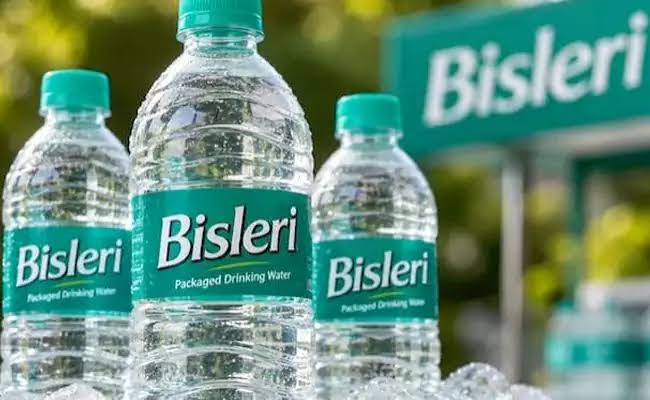
The Food Safety and Standards Authority of India (FSSAI) has officially granted approval to initiate prosecution proceedings against Bisleri International, one of India’s leading packaged drinking water manufacturers. The development follows the detection of potentially harmful contaminants in water samples collected by officials from the company’s plant at Telipara in Jalpaiguri district of West Bengal. Laboratory tests reportedly confirmed the presence of coliform bacteria in the samples, raising serious concerns over the quality and safety of the packaged drinking water. Notably, this is the second time within a week that FSSAI has reportedly approved legal action against the popular bottled water brand.
According to reports, water samples collected from Bisleri’s Jalpaiguri facility were first examined at a primary laboratory and subsequently sent to a referral laboratory for further analysis. Both laboratories reportedly detected traces of bacterial contamination, strengthening concerns about the safety of the water produced at the facility.
Coliform bacteria are commonly used as indicators of possible contamination in drinking water. Their presence may point to problems in the water supply or treatment system. Such contamination can sometimes occur due to sewage leakage, damaged pipelines or inadequate sanitation arrangements. The findings have therefore raised questions about the quality-control measures followed at the manufacturing facility.
This is not the first time Bisleri has faced scrutiny over the quality of its packaged drinking water. Earlier, water samples collected from the company’s Goa unit reportedly failed food quality tests. On August 12, the FSSAI had also imposed a ban on the sale of a particular batch due to quality-related concerns.
In the latest developments, officials also reportedly identified levels of bromate and traces of Polycyclic Aromatic Hydrocarbons (PAHs) exceeding the prescribed limits in the samples examined. These substances are subject to strict food safety standards, and any presence beyond permitted limits can raise serious health and regulatory concerns. According to officials, such violations could amount to non-compliance with the provisions of the Food Safety and Standards Act, 2006.
The matter became more significant after Bisleri reportedly requested that the samples be tested at a second laboratory. However, the subsequent examination also indicated that the water did not meet the required safety standards. The findings have strengthened the regulatory case against the company and paved the way for further legal proceedings.
Meanwhile, Bisleri management has maintained that its packaged drinking water is completely safe for consumption. The company has also stated that it will extend full cooperation to the authorities during the investigation. The company’s response comes amid growing attention to food safety standards and quality checks in the packaged drinking water industry.
At present, the FSSAI is reportedly carrying out extensive inspections of beverage manufacturing facilities across the country. The objective is to ensure that manufacturers comply with prescribed food safety regulations and maintain proper quality-control procedures.
The latest action against Bisleri has brought the issue of packaged drinking water safety back into the spotlight. Consumers generally depend on bottled water brands for safe drinking water, making quality testing and regulatory monitoring particularly important. The outcome of the investigation and any further action taken by the authorities will be closely watched.
For now, the prosecution approval marks an important development in the case. However, the final legal outcome will depend on the investigation, the evidence presented and the proceedings before the appropriate authorities.